In the middle of October of this year there was a fascinating event in many towns of Russia Federation. There was participated Festival of Science on October 12th and 13th. The program of this Festival was organized at the territory of universities, academic institutions, state research centers, science cities, ...
In the middle of October of this year there was a fascinating event in many towns of Russia Federation. There was participated Festival of Science on October 12th and 13th. The program of this Festival was organized at the territory of universities, academic institutions, state research centers, science cities, museums, centres of research and innovations of Russia in 72 regions of our country.
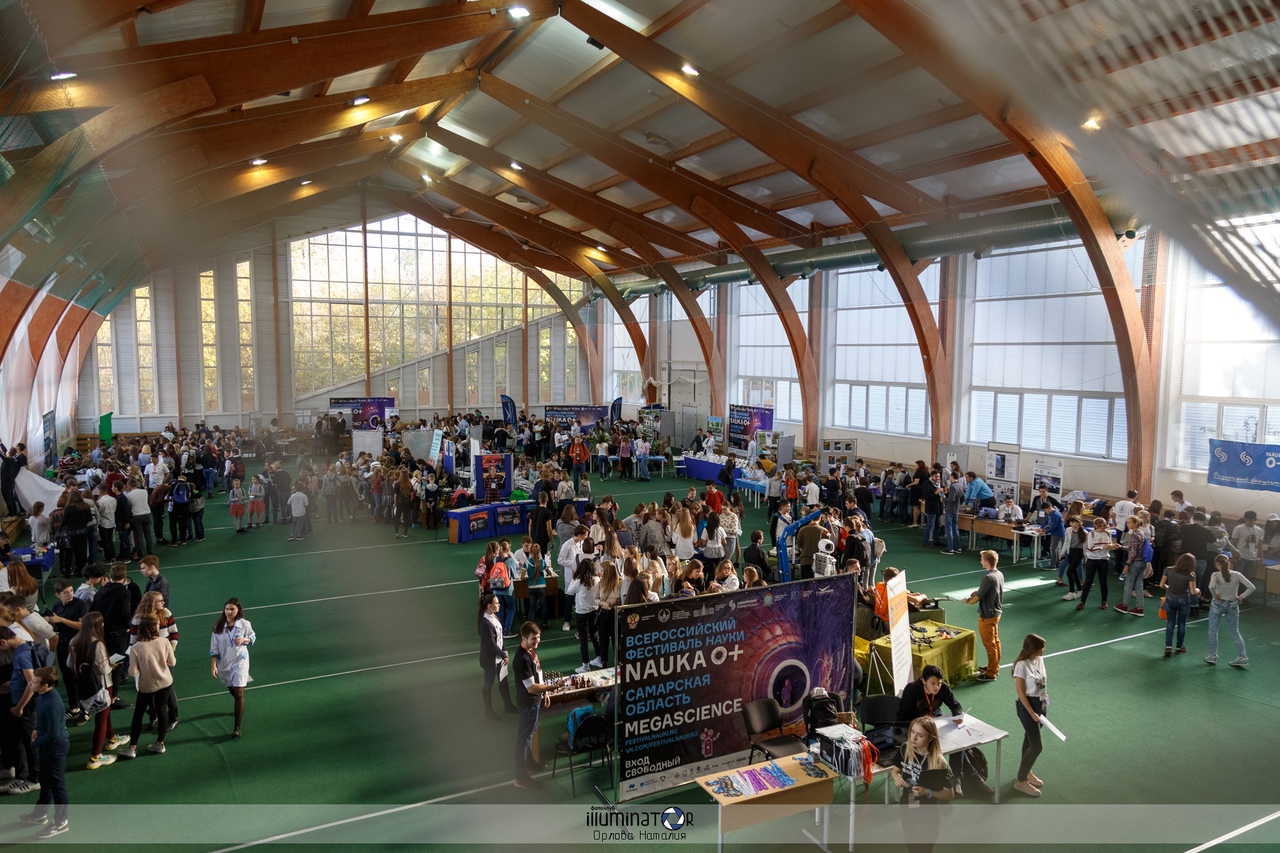
As a student of Samara University, I was happy to be among persons who take part in organization of this festival. Few students and me had to participate the excursion at the department of Designing and Engineering of Aircraft inside the Museum of Engine Design (10th university building).
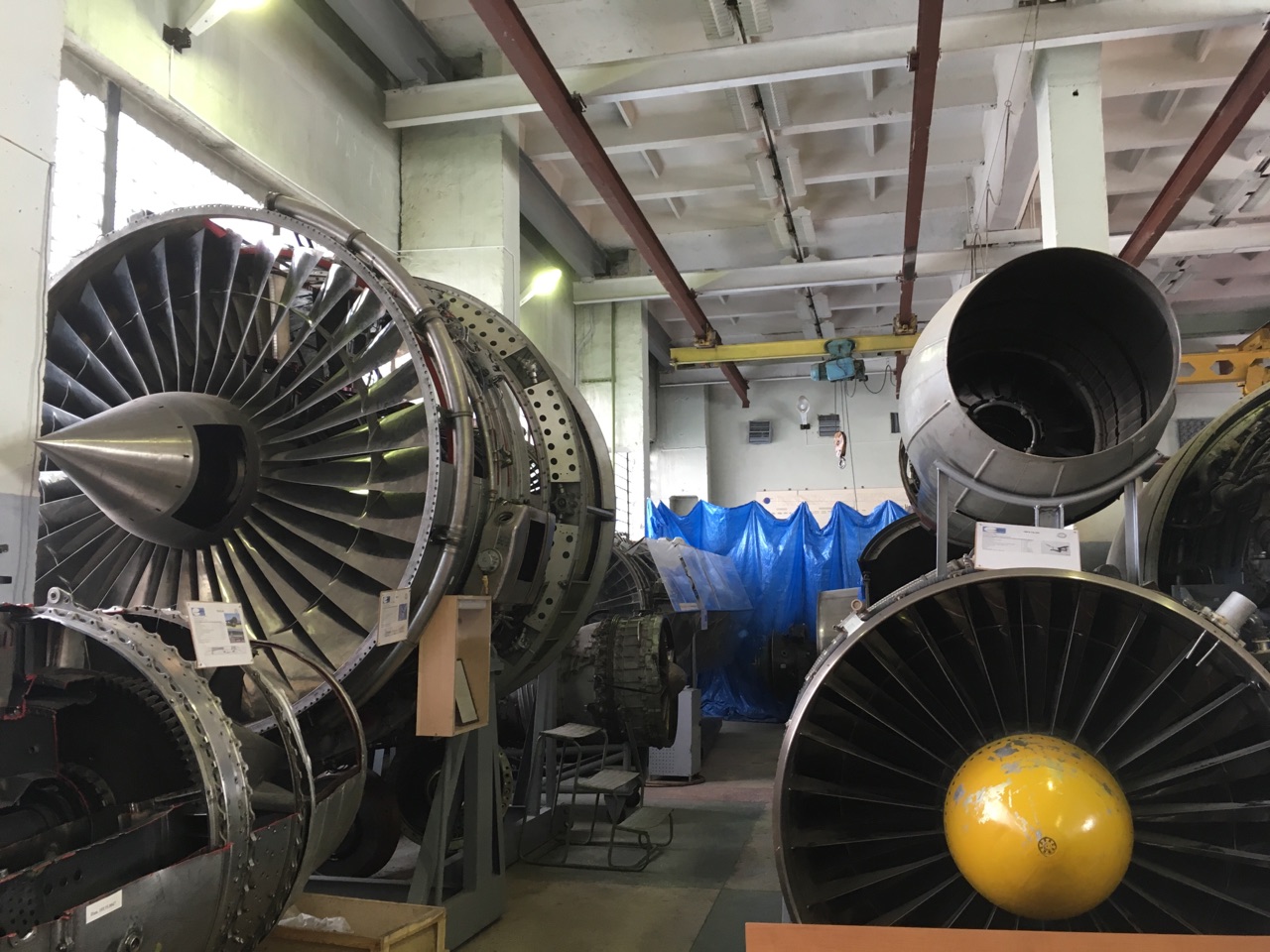
This museum is the biggest museum of engines at the world. Frankly speaking, it is difficult to say "museum" to this place. The exhibits are not behind glass, you can touch them, disturb them and even you can rotate some details of several engines. It is difficult to name this place "museum", but I'll try.
The museum is unique because everyone can touch the history literally, explore how one or the other engine works, touch compressor, rotate turbines, grab nozzle and so on. There are a lot of students from abroad who come to see some rare exhibits and find out how does this engine works. By the way, when I came to perform an excursion, there was a group of students from abroad in the small hangar. They spoke excitedly about something. So that, it's really fact.
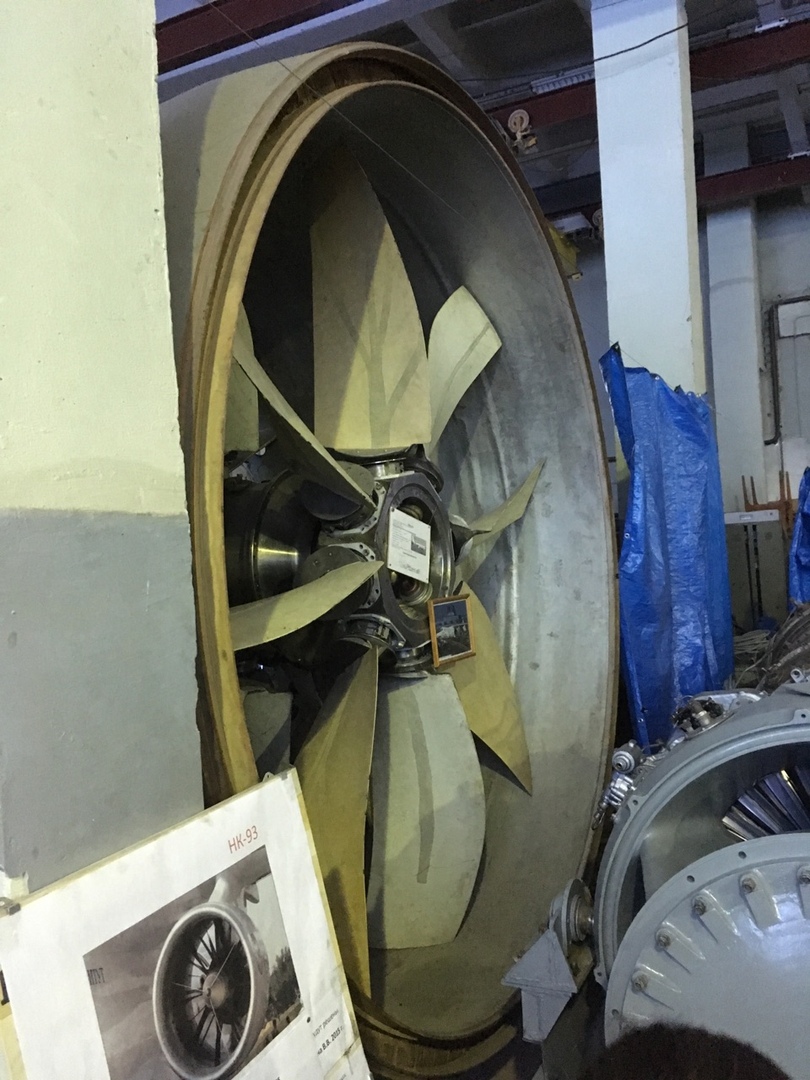
The museum is rich of engines, such as NK-12, NK-8, M-3, PS-90, AL-127, TV3-117, TV-022, R-11F2-300, and also there are some rocket engines, like R-1 (V-2), RD-107, NK-33. In this article we focus on NK-33. Why?
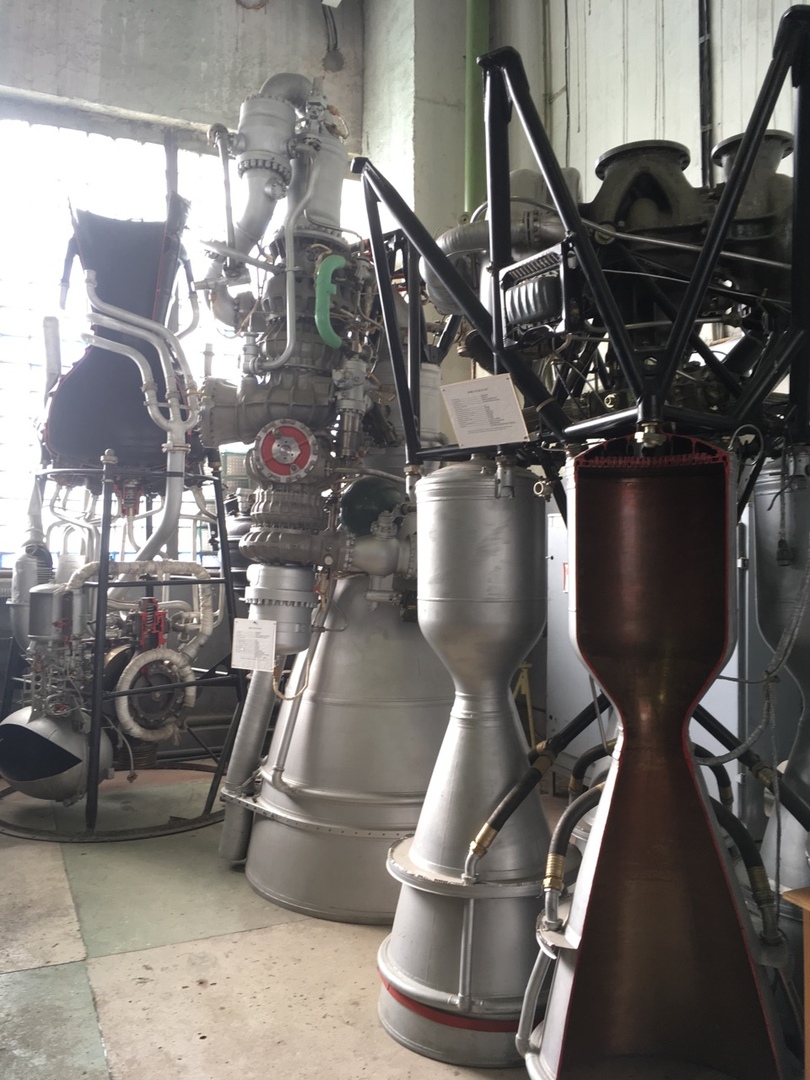
NK-33 is the Soviet rocket engine on liquid fuel developed by the Samara Scientific and Technical Complex of Nikolay Dmitrievich Kuznetsov, and which is one of the most economic, safest and most high performance engines in the world.
In my opinion, the history of this excellent engine is tragic. The Soviet engineer Nikolay Dmitrievich Kuznetsov conceived this engine for future space flights to the Moon and to Mars. Development of NK-33 began and ended in the late sixties last century, development lasted 4 years from 1964 to 1968.
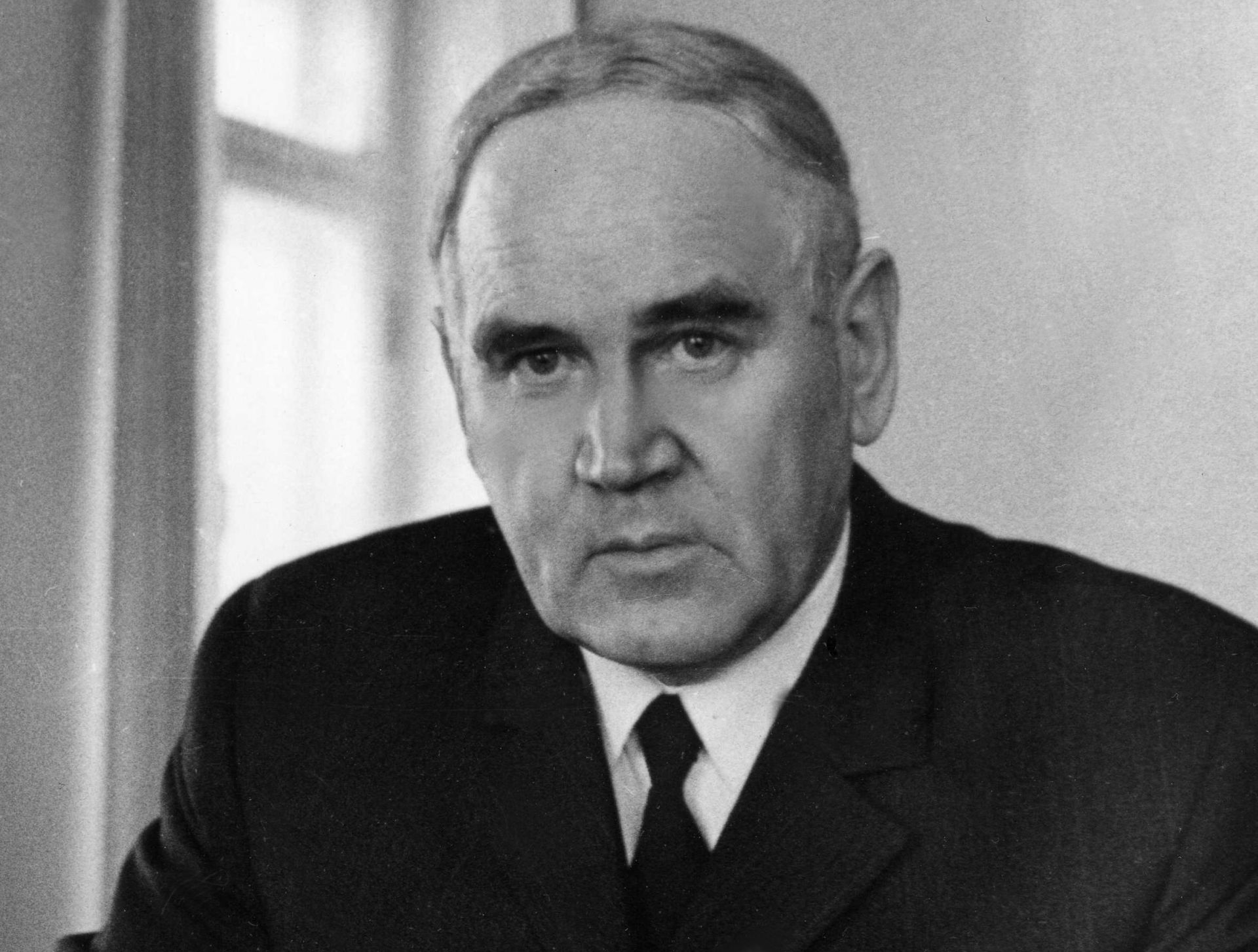
NK-33 was developed within the Soviet lunar N1-L3 program of the 60th years for the N1 super-heavy rocket vehicle. The chief designer of the USSR Sergey Pavlovich Korolyov directed the lunar program till 1966, and after his death the management passed to Vasily Pavlovich Mishin.
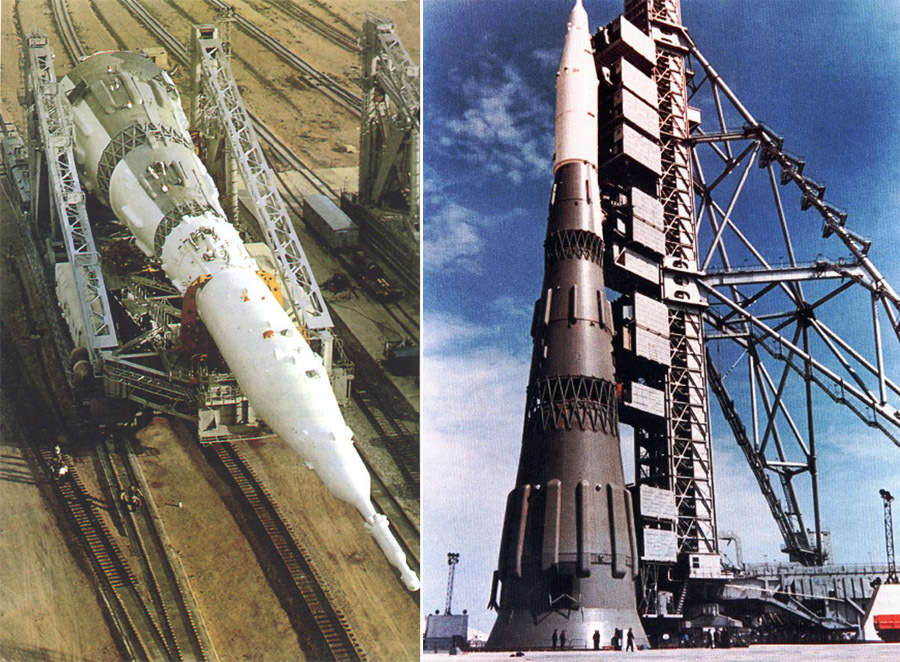
Equipped with these engines (30 on a first stage of a rocket) the five-stage rocket vehicle N1 had to send about 100 tons of useful load into low Earth orbit or 35 tons on a lunar surface. However, after four unsuccessful attempts, the program was stopped and the N1 rocket vehicle could not reach a lunar orbit and Nikolay Dmitrievich Kuznetsov's dream was not fulfilled.
Let's talk a little bit about parameters of N1.
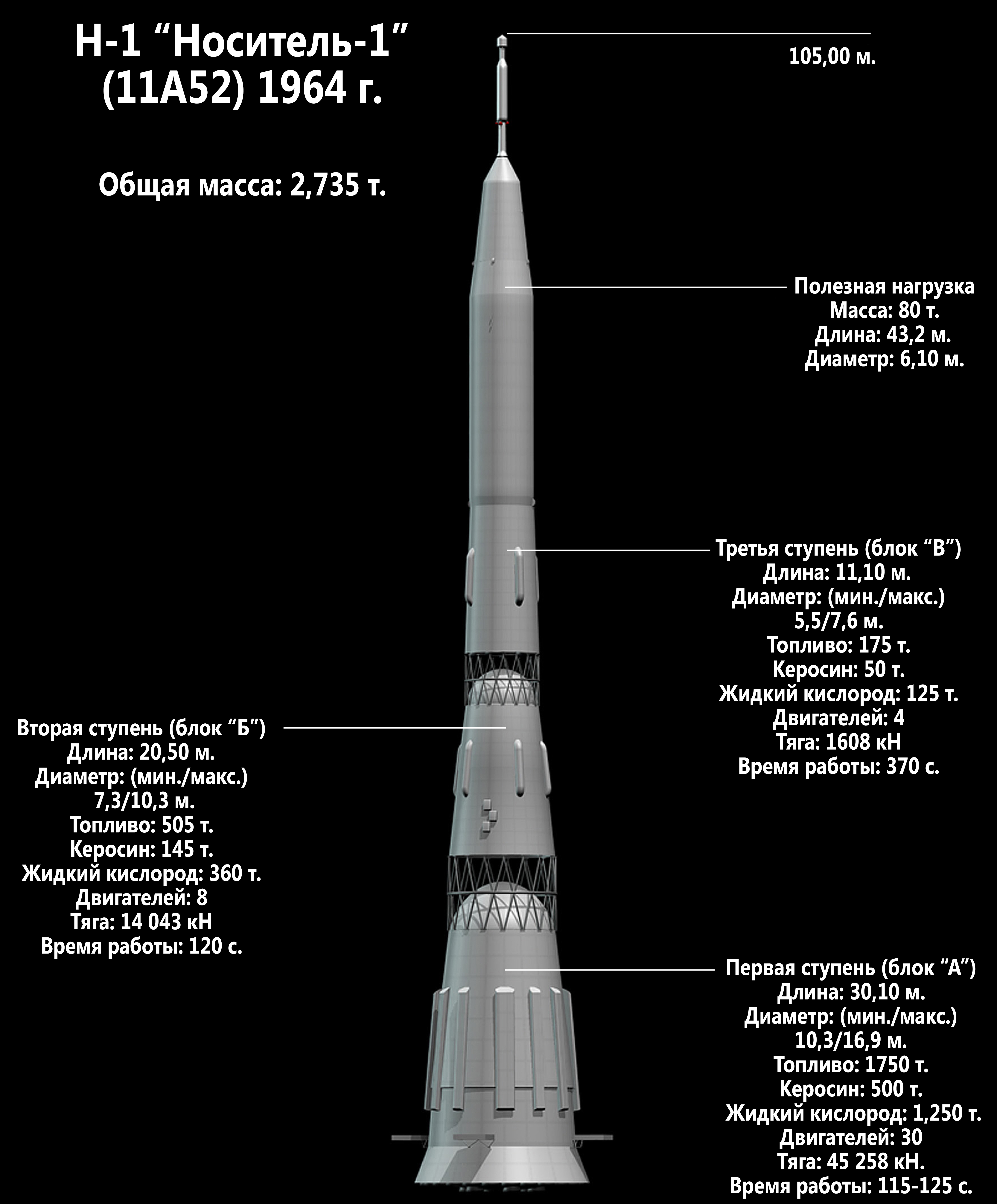
The carrier rocket N1 is executed according to the serial scheme of an arrangement of rocket blocks(blocks with fuel). It has 5 stages at which engines on fluid kerosene as fuel and fluid oxygen as oxidizer were used. Length of the N1 rocket is 105 meters and its diameter is equal 15,6-17 meters. Often the N1 rocket is called "Tsar rocket".
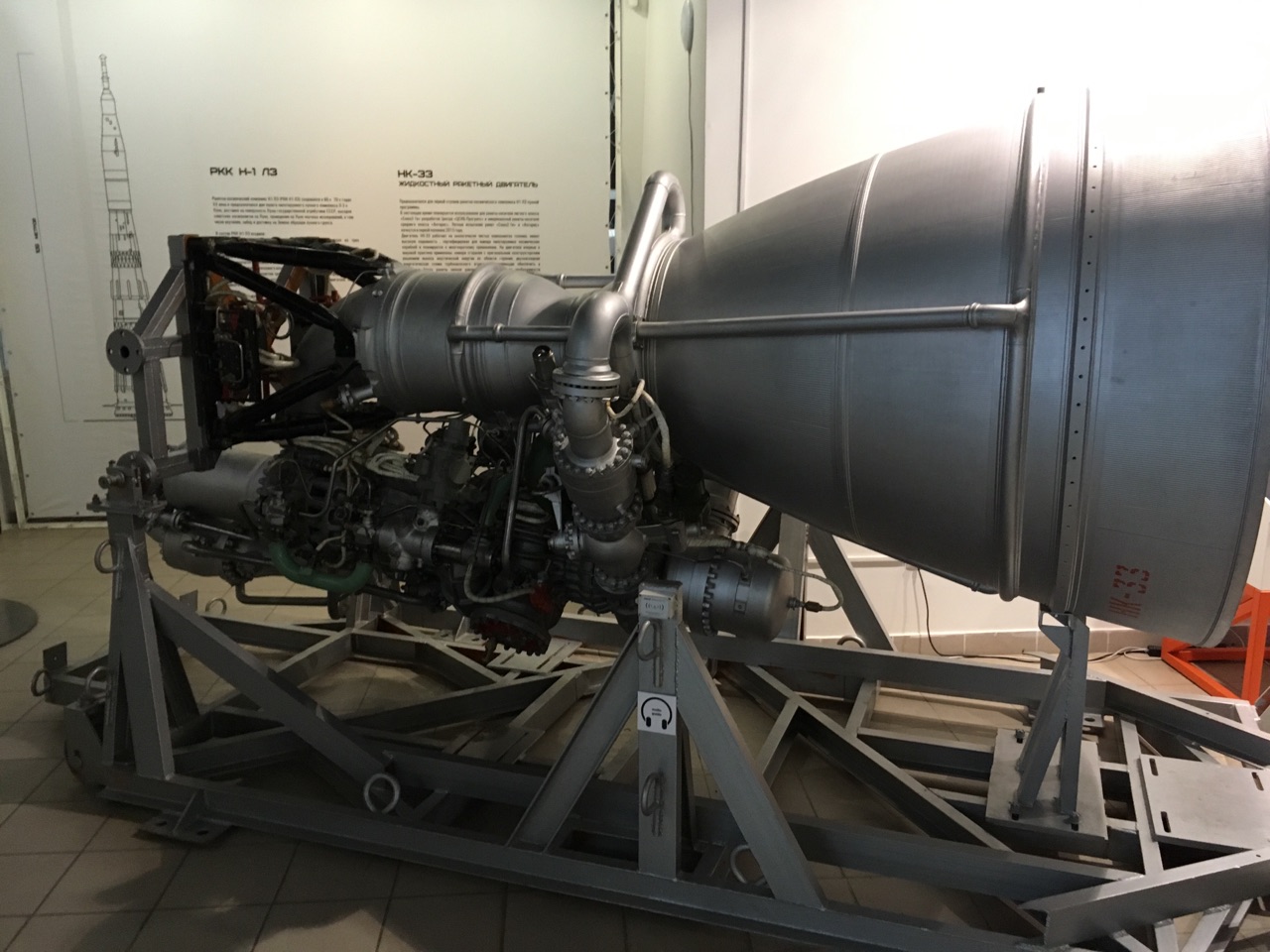
Let's return to our engine and consider a design.
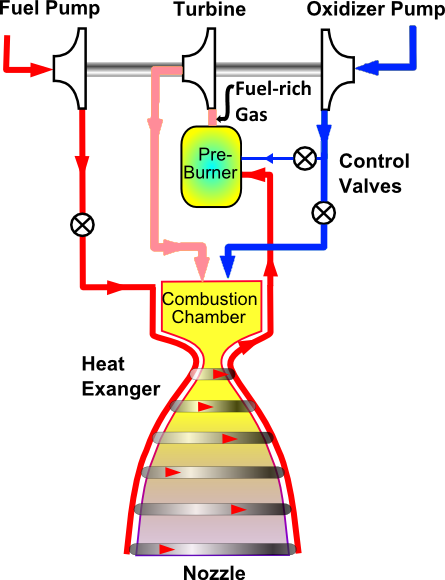
NK-33 is developed on the basis of the NK-15 engine and also, as well as NK-15, as fuel accepts kerosene, and as oxidizer - fluid oxygen. The engine is single-chamber, the closed cycle (i.e. generator gas is not thrown out a environment after operation on the turbine, but moves in a combustion chamber, thereby increasing efficiency of the engine), not having rotarble nozzles and steering chambers. Engine has the weight of 1393 kg and length of 3,7 meters.
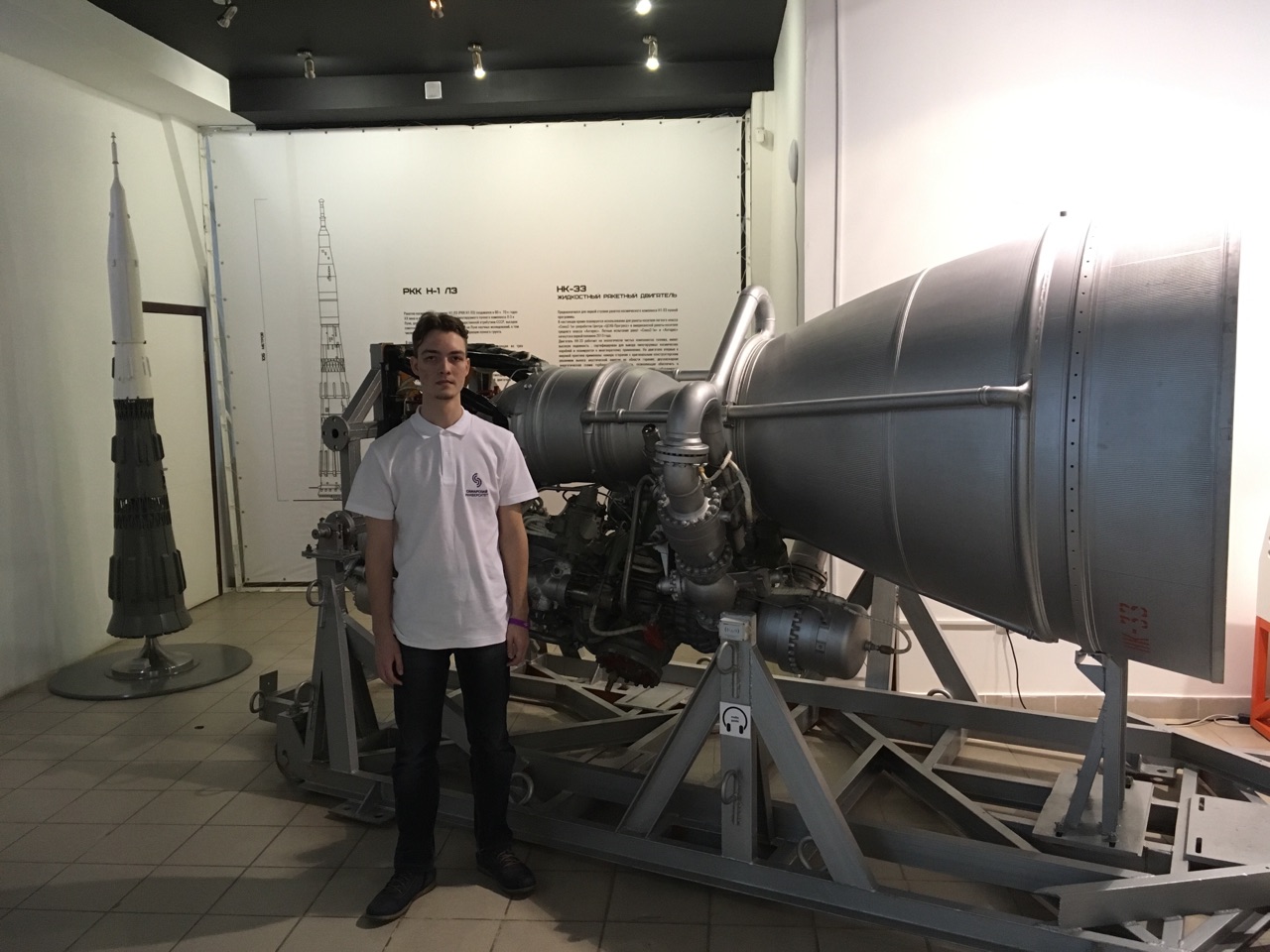
After closing of the Soviet lunar program, it was ordered to burn all drawings and to destroy all engines NK-33. However, the designer Nikolay Dmitrievich Kuznetsov, as loving creator, loved the creation very much and hadn't the courage to destroy it. Because of him, several NK-33 engines were hidden and "conserved" for long 40 years.
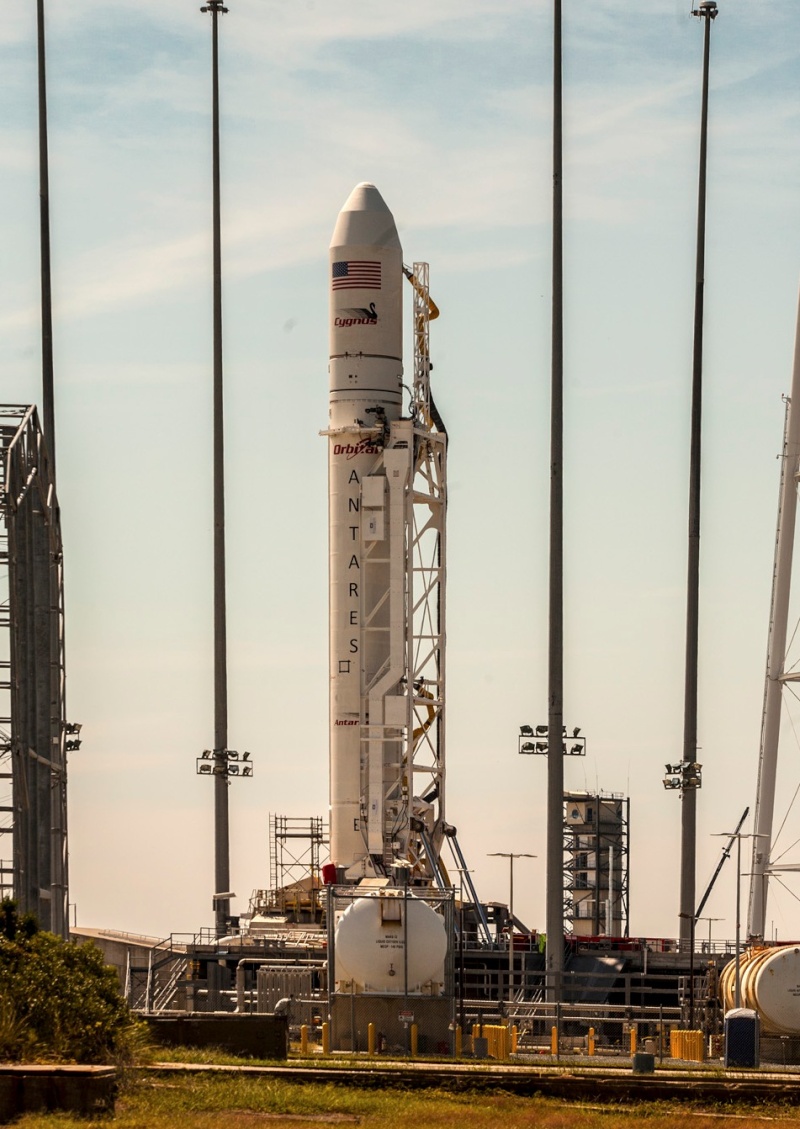
After years, there was a necessity for "deconserving" of engines to install them inside the American carrier rocket "Antares". In spite of the fact that engines extremely long period of time were at rest, they could show extremely larger reliability and could return the former glory of competence of Kuznetsov who once designed engines.
We can only believe that the NK-33 engine will become serially produced in our country soon, and, due to the reliability and profitability, will help us to take higher position in the market of space branch and in general as the credible spacefaring nation among other countries.
It is especially important after recent accident with "Soyuz MS-10".
LifeJournal:
https://grigoscope.livejournal.com/390.html